Surgical Dermatology
Surgical dermatology covers procedures to diagnose, remove or repair skin lesions — from a small diagnostic biopsy to the excision of a skin cancer. All are performed under local anaesthetic as day procedures.
At a glance
- What it covers
- Biopsy, excision and removal of skin lesions, cysts, lipomas, moles and skin cancers, together with nail surgery and scar treatment.
- Anaesthetic
- Local anaesthetic. You remain awake and go home the same day.
- Why it is done
- To establish a diagnosis, to remove something that is causing symptoms, or to treat a confirmed skin cancer.
- Tissue examination
- Removed tissue is generally sent for microscopic examination to confirm the diagnosis and, for cancers, to check the margins.
- Aftercare
- Wound care instructions, a review appointment, and suture removal where applicable.
Dermatological surgery, explained
A great many skin problems are treated with creams and tablets. Some, however, are best dealt with by removing them — either because a diagnosis can only be established by examining the tissue under a microscope, or because the lesion itself needs to go.
Dermatological surgery is performed under local anaesthetic as a day procedure. You are awake throughout, the area is numbed, and you go home afterwards. Most procedures take between fifteen minutes and an hour depending on what is involved.
Three questions guide the approach to any lesion: what is it, does it need to be removed, and what is the best way to remove it given its size, its site and what will produce the neatest result. That discussion happens at consultation, before anything is scheduled.
What surgical dermatology includes
The right procedure depends on the diagnosis, the site and what outcome is being sought.
Diagnostic procedures
Establishing what something is.
- Skin biopsy — a small sample taken for microscopic examination
- Used where a rash or lesion needs a definitive diagnosis
- Several techniques exist, chosen to suit the lesion
- Results usually available within several days
Excision of lesions
Complete removal, with a margin where needed.
- Skin cancer surgery
- Removal of suspicious or changing lesions
- Mole removal
- Tissue sent for histopathology to confirm diagnosis and margins
Lumps and bumps
Benign growths that are symptomatic or bothersome.
- Cysts — including those that have become inflamed or recurrent
- Lipomas
- Other benign growths
- Removal where a lesion is painful, growing, catching on clothing or of uncertain nature
Smaller removals
Minor procedures, often quick.
- Skin tags
- Age spots and seborrhoeic keratoses
- Viral warts
- Laser mole removal, where appropriate for the lesion
Nail surgery
For painful and recurrent nail problems.
- Surgical treatment of ingrown and pincer nails
- Nail matrix biopsy
- Assessment of pigmented bands within a nail
- Performed under local anaesthetic to the digit
Scar treatment
Improving the appearance of established scars.
- Assessment of scar type — depressed, thickened or keloid
- Treatment matched to the scar
- Management of scars from surgery, injury or acne
- Realistic discussion of what improvement is achievable
What to expect
Before
Tell us about any blood-thinning medication — including aspirin, warfarin and newer anticoagulants — and any supplements, as some increase bleeding. Do not stop prescribed medication without advice. Mention any allergies, any tendency to thickened or keloid scarring, and any implanted devices such as a pacemaker.
During
The area is cleaned and local anaesthetic injected. You will feel a brief sting, then numbness. During the procedure you may be aware of pressure and movement but should not feel sharp pain — tell us if you do, as more anaesthetic can be given. The wound is then closed, usually with sutures, and dressed.
Afterwards
You will be given specific instructions for keeping the wound clean and dry, what to watch for, and when to return. Some discomfort as the anaesthetic wears off is normal and usually settles with simple pain relief. A review appointment is arranged for wound check, suture removal where applicable, and to discuss the histopathology result.
Helping your wound heal well
Specific instructions will be given for your procedure. These general principles apply to most wounds.
Helpful
- Follow the dressing instructions you are given
- Keep the wound clean and dry as directed
- Rest the area — particularly wounds under tension, such as on the back or limbs
- Take simple pain relief if needed
- Protect the healing scar from sun exposure for several months
- Attend your review appointment even if the wound looks fine
Unhelpful
- Strenuous exercise or heavy lifting in the early days
- Swimming or soaking the wound until healed
- Picking at scabs or removing sutures yourself
- Applying unprescribed creams or remedies to a fresh wound
- Stopping prescribed blood thinners without medical advice
- Ignoring increasing pain, redness, swelling or discharge
When surgical assessment is appropriate
Consider an appointment if you have:
- A lesion that is new, changing, growing, bleeding or not healing
- A mole you would like assessed, or removed
- A lump under the skin such as a cyst or lipoma, particularly if it is painful, inflamed or enlarging
- A rash requiring a biopsy to establish the diagnosis
- A recurrent ingrown or painful nail
- A scar you would like assessed
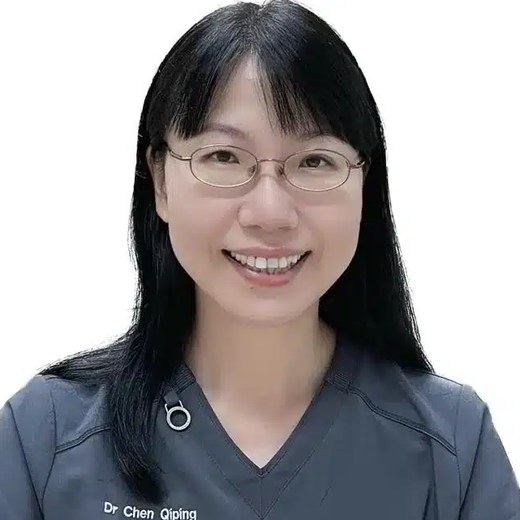
Dr Chen Qiping
Consultant Dermatologist · MBBS, MRCP (UK), M.Sc, FAMS (Dermatology)
Dr Chen practises surgical dermatology including skin cancer surgery, alongside general, paediatric, laser and cosmetic dermatology. Consultations are available in English and Mandarin.
Surgical dermatology — frequently asked questions
Does skin surgery hurt?
Will I be left with a scar?
What is the difference between a biopsy and an excision?
How long do stitches stay in?
Can I exercise or swim after a procedure?
What happens to the tissue that is removed?
Is Mohs surgery available?
References
- DermNet. Skin biopsy and Skin surgery. dermnetnz.org
- Cleveland Clinic. Mohs Surgery. clevelandclinic.org
- Mayo Clinic. Mohs surgery. mayoclinic.org
Page last reviewed: 28 July 2026.
Have a lesion that needs assessing or removing?
Arrange a consultation with Dr Chen Qiping at our Collyer Quay clinic — two minutes' walk from Raffles Place MRT.