General Dermatology
General dermatology covers the diagnosis and medical treatment of skin, hair and nail conditions — from the very common to the genuinely rare. It is the foundation of everything else the clinic does.
At a glance
- What it covers
- Medical diagnosis and treatment of conditions affecting the skin, hair and nails in adults and children.
- Common reasons to attend
- Acne, eczema, urticaria, psoriasis, skin infections, rashes of uncertain cause, hair loss and nail problems.
- What happens
- History, examination — often with dermoscopy — and a treatment plan. Tests such as swabs, scrapings or biopsy are arranged where needed.
- Languages
- Consultations available in English and Mandarin.
- Who is seen
- Adults and children.
Medical dermatology, explained
The skin is the body's largest organ, and it produces an unusually wide range of problems — inflammatory, infectious, allergic, hormonal, structural and occasionally a sign of disease elsewhere in the body. General dermatology is the branch of medicine concerned with sorting out which of these is responsible and treating it.
A great deal rests on accurate diagnosis. Many skin conditions look similar to one another — eczema and psoriasis, fungal infection and dermatitis, an ordinary mole and something requiring removal. Treatment that suits one may aggravate another, which is why examination matters more than trying products in sequence.
Equally important is how a treatment is used. A prescribed cream applied too sparingly, to the wrong area, or stopped too early will underperform regardless of how appropriate it was. Part of a consultation is making sure you leave knowing exactly what to do.
Conditions seen in general dermatology
This is not an exhaustive list — skin conditions are numerous, and part of the value of an assessment is identifying something that has not been recognised.
Inflammatory conditions
- Acne
- Eczema and dermatitis
- Psoriasis
- Urticaria and angioedema
- Seborrhoeic dermatitis and rosacea
Infections and infestations
- Fungal infections of skin, nails and scalp
- Bacterial infections including boils and cellulitis
- Viral conditions including warts and molluscum
- Shingles and cold sores
- Scabies and other infestations
Pigment and lesions
- Pigmentary disorders
- Skin cancer and suspicious lesions
- Moles and benign growths
- Seborrhoeic keratoses and skin tags
- Cysts and lumps
Hair and scalp
- Hair loss and thinning
- Alopecia areata
- Scalp inflammation and scaling
- Excess hair growth (hypertrichosis)
- Scarring hair loss
Nail conditions
- Nail infection and discolouration
- Ingrown and pincer nails
- Nail changes associated with skin disease
- Pigmented bands in nails, which require careful assessment
- Nail matrix biopsy where indicated
Rashes of unclear cause
- Persistent or recurrent rashes
- Suspected drug reactions
- Itch without an obvious rash
- Rashes not responding to previous treatment
- Skin changes that may reflect internal disease
What to expect at a consultation
Before
Gather any treatments you are using or have tried, including over-the-counter products. Bring the packaging rather than relying on memory. If your skin varies — better some days, worse others — photographs taken on your phone at a bad moment are genuinely useful.
During
The consultation covers your history, then examination. A dermatoscope may be used to look at lesions in more detail. Depending on findings, tests may be arranged: a swab for infection, a scraping for fungus, or a small biopsy where a diagnosis needs microscopic confirmation.
Afterwards
You should leave with a clear understanding of what the condition is, what the treatment is intended to do, how to apply or take it, and roughly when to expect improvement. Chronic conditions usually need review to check response and adjust the plan.
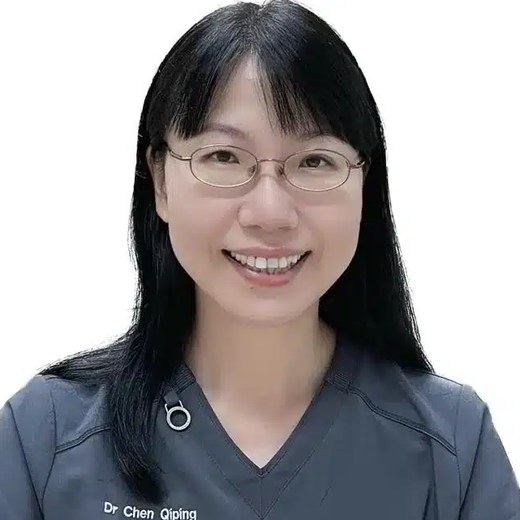
Dr Chen Qiping
Consultant Dermatologist · MBBS, MRCP (UK), M.Sc, FAMS (Dermatology)
Dr Chen practises general adult and paediatric dermatology, with subspecialty interests in skin cancer and pigmentary disorders. Consultations are available in English and Mandarin.
General dermatology — frequently asked questions
What does a general dermatology consultation involve?
Do I need a referral to see a dermatologist in Singapore?
How long will I need to be on treatment?
Can several skin problems be addressed in one consultation?
What should I bring to my appointment?
References
- DermNet. Topics A–Z. dermnetnz.org
- MSD Manual Professional Edition. Dermatologic Disorders. msdmanuals.com
Page last reviewed: 28 July 2026.
Need a skin problem properly assessed?
Arrange a consultation with Dr Chen Qiping at our Collyer Quay clinic — two minutes' walk from Raffles Place MRT. Adults and children welcome.